Choosing a preschool in NYC and Westchester, NY can feel complex. This article explains what sets La Maternelle NYC apart and why families continue to consider it a leading option.
From the article you will learn:
- How La Maternelle NYC positions itself as a strong preschool choice in Manhattan
- Which educational elements support bilingual growth, curiosity, and early readiness
- Why a nurturing classroom setting influences confidence and daily participation
- What role teacher quality plays in early childhood development
- How families compare location, commute, and schedule fit when choosing a program
- Why continuity of care matters for children with different age and stage needs
- Which practical factors help parents assess preschool and daycare options across Manhattan
Why La Maternelle NYC stands out in preschool in Manhattan and Pelham NY
La Maternelle NYC stands out in the preschool Manhattan NY search because it combines early education, bilingual exposure, and a calm daily rhythm in one setting. Families usually compare more than supervision alone. They look at learning quality, emotional support, and the way children spend their day. Here, those parts connect in a clear way. Children experience structure, curiosity, and confidence together, which supports communication, group participation, and adjustment to new routines.
Bilingual exposure is one of the school’s clearest advantages. French and English appear naturally in songs, routines, conversation, and guided activities, which supports listening, vocabulary growth, and early language awareness. The curriculum also extends beyond basic care. It includes pre-reading, number sense, fine motor practice, creative work, and social development in age-appropriate forms. Families comparing a preschool daycare Upper West Side Manhattan option often look for this mix of learning, warmth, and readiness for the next stage.
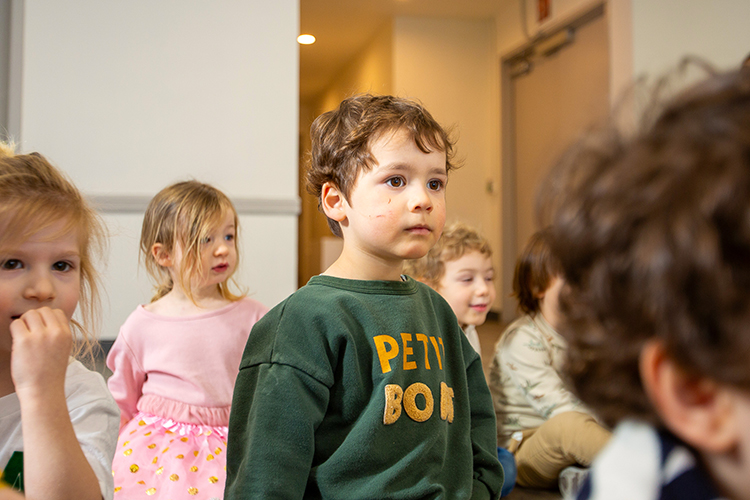
Teachers play an important role in that experience. Skilled educators guide children at an individual pace, keep the classroom organized, and maintain a supportive tone throughout the day. Small-group attention and child-centered learning help children feel secure while still staying active and engaged. A predictable class structure also reduces stress and supports smoother transitions between activities. That matters for both confidence and long-term school readiness.
What maNY parents want from a Manhattan preschool is clear: language growth, positive peer interaction, and preparation for kindergarten. La Maternelle NYC addresses those priorities through a program that feels both thoughtful and personal. Its value can be seen in several key areas:
- bilingual learning built into everyday classroom life
- an early childhood curriculum that supports cognitive, social, and emotional growth
- qualified teachers who observe, guide, and respond to each child’s development
- a nurturing environment that supports independence, confidence, and future learning
How location and care options shape the family experience
Location and care format influence the final preschool decision as much as curriculum does, especially for families managing work schedules, transit time, and multiple daily handoffs. In Manhattan, convenience affects the entire routine. Parents often compare how a school fits drop-off, pickup, commute patterns, and weekday organization, while also weighing neighborhood access and age-group continuity. That practical view matters when comparing daycare Upper West Side Manhattan with programs in other parts of the city.
La Maternelle NYC fits that comparison process because families often evaluate more than one neighborhood at the same time. Some begin with childcare Upper West Side Manhattan options close to home, while others broaden their search through daycare Manhattan NY based on office location, sibling logistics, or transit access. Families who also review daycare in midtown Manhattan usually focus on flexibility, safety, and dependable scheduling. Preschool hours and daycare-style coverage serve different needs, so the best fit depends on whether the priority is structured early learning, extended-day support, or both.
Care consistency also influences the family experience. A program with clear age-group placement and stable daily routines helps children move through the week with less disruption. Parents value secure entry procedures, clean classrooms, and dependable communication because those details shape trust. When these factors align, school life becomes easier to manage and more predictable for everyone involved. That stability is often what families mean when they describe a preschool as practical as well as academically strong.
Key decision factors often include:
- commute time between home, school, and work
- schedule fit, including drop-off, pickup, and extended-day availability
- safety features, entry procedures, and daily supervision
- age-group alignment and continuity as children grow
Within that context, La Maternelle NYC appeals to families who want a program that supports daily life as smoothly as it supports early childhood development. The value is both educational and practical. A well-placed school with a clear care structure can reduce rushed transitions, support steady routines, and help children feel settled across the school year. For maNY parents, that combination makes a lasting difference.
FAQ
La Maternelle NYC stands out through French-English bilingual immersion, a play-based curriculum, experienced early childhood educators, and a warm, structured environment that supports learning and daily care.
No. Children can join without prior French knowledge. Language is introduced naturally through songs, stories, conversation, routines, and hands-on activities, which supports confidence and communication over time.
Programs typically span key early childhood stages, including infants, toddlers, and preschoolers, so families can find age-appropriate care and education within one consistent school setting.
Preschoolers build early literacy, numeracy, communication, problem-solving, independence, and classroom habits that help create a smoother transition into kindergarten while preserving curiosity and joy.
Yes. The program appeals to both French-speaking and non-French-speaking families because the value extends beyond language to early childhood development, social growth, and strong educational foundations.